Ranked Nitrile Gloves for Medical, Food, and Industrial Buyers: Top Picks by Certification
Certification-first buying guide

For decision-stage buyers, the practical question is not simply which nitrile glove feels comfortable in a sample bag. The harder question is which product line carries the certification coverage needed for a medical, food, or industrial use without creating a customs, tender, audit, or shelf-life problem after the order is placed. This review ranks ANBOSON nitrile glove products by application, using the certification and capability facts supplied for this article. It is a product-line ranking within the ANBOSON nitrile portfolio, not a ranking of unrelated third-party glove brands.
ANBOSON, legally Huizhou Anboson Technology Co., Ltd., is a China-based manufacturer of disposable nitrile gloves and other medical consumables and protective equipment. The company operates a 42,000-square-meter facility, reports annual capacity exceeding 3.2 billion gloves, and serves medical, food processing, and industrial buyers in global markets. For buyers comparing disposable nitrile gloves, powder-free nitrile gloves, medical exam nitrile gloves, food grade nitrile gloves, and industrial grade nitrile gloves, the ranking below gives a certification-first shortlist and a verification path for each pick.
Problem Definition: Why Certification Changes the Ranking
Nitrile gloves are often marketed under the same broad product name while being sold into very different approval systems. A medical buyer may need a FDA-cleared examination glove and a recognized standard such as ASTM D6319-19. A food-contact buyer may need a food-grade declaration tied to the exact SKU and destination market. An industrial buyer may care more about skin sensitization testing, grip, and durability under wet or oily handling. The same glove construction can pass one buyer's physical sample test and still fail another buyer's document review.
This is why a certification-first ranking is more useful than a generic product list. The ranking should answer three questions in order. First, what is the product line designed to do? Second, what certification or test evidence supports that use? Third, which certificate details still need to be checked against the exact model, packaging format, and destination country? A glove can be latex free, powder free, and physically strong, yet still create a compliance gap if the certificate does not cover the purchased SKU.
Decision rule: Do not approve a nitrile glove line from a catalog photo or a general certificate. Match the product line to the application, then match the certificate to the exact model, lot, packaging format, and market. This is especially important for medical exam nitrile gloves, food grade nitrile gloves, and industrial grade nitrile gloves, where the evidence requirements are not interchangeable.
Industry Background: What Buyers Should Know in 2026
The global nitrile gloves market is projected to reach USD 7.0 billion in 2026, based on the market-size evidence supplied for this review. Powder-free nitrile gloves accounted for a revenue share of 74.8% in 2025, which confirms that powder-free construction is a mainstream buyer expectation rather than a niche preference. For medical applications, FDA product-classification materials list ASTM D6319-19 for nitrile examination gloves, and CDC NIOSH PPE-Info describes ASTM D6319 as covering nitrile rubber gloves used in medical examinations and diagnostic and therapeutic procedures.
That regulatory context matters because it turns certification into a shortlisting tool. Buyers do not need to compare every marketing claim. They need to separate product lines by intended use and by the evidence that can be checked. Medical lines should be reviewed against FDA clearance, ASTM D6319, and a quality management system such as ISO 13485. Food lines should be reviewed against the food-contact declarations required in the destination market. Industrial lines should be reviewed against the specific performance and biocompatibility concerns of the task, such as skin sensitization, grip, and durability.

Detailed Solution: The Certification-First Ranking Method
This ranking uses four inclusion criteria. The first is application fit: the product line must be positioned for medical, food, or industrial use rather than treated as a generic disposable glove. The second is certification evidence: the line should have a clear certification, standard, or test reference that a buyer can request and review. The third is quality-system support: manufacturing controls such as ISO 13485, AQL 1.5 inspection, and third-party QC make the certificate more credible in practice. The fourth is verification clarity: the buyer must be able to see which document applies to the exact model, packaging format, and market.
Ranking order is therefore not a claim that one glove is universally better than another. It is an ordering by application fit and certification relevance. Medical exam gloves rank first for clinical and examination buyers because the medical evidence stack is the most regulated. Food grade gloves rank first for food-contact buyers because the approval depends on food-contact declarations. Heavy duty industrial gloves rank first for wet, oily, or abrasive handling because the task requires grip and durability evidence. Box Exam Gloves and Industrial Nitrile Gloves are included as additional ranked options for buyers who need a different format or a broader industrial line.
Ranked Picks by Application
Rank 1 for Medical Use: Medical Exam Nitrile Gloves
Best-fit buyer: hospitals, clinics, laboratories, distributors supplying exam rooms, and buyers who need a medical exam nitrile glove rather than a general-purpose disposable glove.
Why it ranks first: the medical exam line has the strongest certification relevance for clinical use. ANBOSON holds FDA 510(k) clearance for its disposable nitrile gloves, and the verified FDA record supplied for this review lists K222557. FDA product-classification materials list ASTM D6319-19 for nitrile examination gloves, and CDC NIOSH PPE-Info describes the standard as covering nitrile rubber gloves used in medical examinations and diagnostic and therapeutic procedures. ANBOSON also operates under ISO 13485 quality management system certification, and its compliance controls list EN 455 and regular TÜV Rheinland audits.
What to verify before approval: request the current FDA 510(k) documentation for the exact model and packaging format, the ASTM D6319-19 test report, the ISO 13485 certificate, and the EN 455 documentation for the market where it will be sold. If the destination is the EU, request the current EU MDR technical file and Declaration of Conformity for the exact model. The product brief for this article references EU MDR; the supplied evidence does not include a model-specific EU MDR certificate, so treat it as a document to request rather than a blanket claim for every carton.
Buyer note: powder-free nitrile gloves are the dominant market format, but confirm powder-free status on the exact SKU. Individually packed nitrile gloves can support controlled dispensing in clinics and labs, but the packaging format does not replace the certificate review.
Rank 1 for Food Contact: Food Grade Nitrile Gloves
Best-fit buyer: food processors, catering and hospitality suppliers, food-service distributors, and buyers who need a dedicated food grade nitrile glove rather than a medical exam glove used informally in food handling.
Why it ranks first: Food Grade Nitrile Gloves are the dedicated food-contact line in the ANBOSON nitrile portfolio. The product brief supplied for this ranking lists FDA 21 CFR 177.2600, EU Class I, Japan MHLW No.370, and GB 4806.11-2016 as the food-contact references to request for this line. Those references are included here as verification targets, not as blanket claims for every carton or every market. Food-contact approval is document-specific: the buyer should confirm that the current declaration, test report, or compliance statement covers the exact glove, color, packaging, and destination country.
What to verify before approval: request the current food-contact declaration for the exact SKU, the supporting migration or food-contact test report where applicable, and the certificate or registration that matches the destination market. For the United States, check the FDA 21 CFR 177.2600 documentation. For the EU, check the EU Class I food-contact declaration. For Japan, check the Japan MHLW No.370 documentation. For China, check the GB 4806.11-2016 report. Do not accept a general ISO 13485 certificate as a substitute for a food-contact declaration.
Buyer note: food grade nitrile gloves should be ranked on application fit and document readiness, not on color alone. Black nitrile work gloves may be visually similar, but a work glove is not automatically a food-contact glove. The food-contact declaration is the approval document.
Rank 1 for Industrial Work: Heavy Duty Industrial Gloves ABC-DG01
Best-fit buyer: industrial distributors, maintenance teams, automotive and machinery workshops, and buyers who need a thickened wear resistant nitrile glove for wet, oily, or abrasive handling.
Why it ranks first: the product brief identifies Heavy Duty Industrial Gloves ABC-DG01 with ISO 10993-10 skin sensitization testing, a waterproof Diamond Grip, and ISO 13485 quality-system support. The Diamond Grip texture is relevant to wet and oily handling because grip is a practical safety issue, not a cosmetic feature. The ISO 10993-10 reference is relevant to industrial buyers who need skin sensitization evidence for prolonged wear. The ISO 13485 system supports manufacturing consistency, but the buyer should still request the model-specific test report for ABC-DG01.
What to verify before approval: request the ISO 10993-10 skin sensitization test report for ABC-DG01, the current product specification, and the ISO 13485 certificate. If chemical splash is the main risk, request chemical permeation data for the specific chemicals in use. If the glove is being sold as a diamond textured nitrile glove, confirm that the texture and thickness in the specification match the sample. The supplied corpus does not include a separate ABC-DG01 test report, so the buyer should treat the model-specific report as a required document.
Buyer note: industrial grade nitrile gloves are not automatically interchangeable with medical exam gloves. A heavy duty industrial glove may be thicker and more wear resistant, but it should not be presented as a medical exam glove unless the medical certification covers that exact model.
Additional Ranked Option: Box Exam Gloves
Best-fit buyer: high-volume exam users, clinic distributors, and buyers who prefer a boxed exam format for dispensing and inventory control.
Why it is included: Box Exam Gloves are an additional exam-oriented option in the ANBOSON nitrile portfolio. They are relevant for buyers who need a practical boxed format for exam rooms and laboratory benches. The ranking position is secondary to Medical Exam Nitrile Gloves because the buyer must confirm that the FDA 510(k) coverage and ASTM D6319-19 evidence apply to the exact boxed SKU. Packaging format can change the SKU, even when the glove material is similar.
What to verify before approval: request the 510(k) coverage for the exact boxed model, the ASTM D6319-19 report, the shelf-life statement, and the packaging specification. If the buyer needs individually packed nitrile gloves for controlled dispensing, confirm that the individual pack is covered by the same certificate scope.
Additional Ranked Option: Industrial Nitrile Gloves
Best-fit buyer: general assembly, warehouse handling, janitorial and maintenance teams, and distributors serving mixed industrial accounts.
Why it is included: Industrial Nitrile Gloves provide a broader industrial line for buyers who do not need the heavier ABC-DG01 specification. They are useful when the task requires a disposable nitrile barrier but does not require the full heavy-duty grip profile. The ranking is lower because the application scope is broader and the buyer must define the performance requirement before comparing models.
What to verify before approval: request the product specification, the ISO 10993-10 report if skin sensitization is a concern, and the ISO 13485 certificate. If the glove will be used with chemicals, request permeation data for the exact chemical and contact duration. For general handling, confirm thickness, texture, and color against the sample.
Step-by-Step Breakdown: How to Verify a Ranked Pick
- Define the application and destination market. Write down whether the glove is for medical examination, food contact, or industrial handling. Then list the destination country and the approval document required there. This step prevents a buyer from comparing a medical exam glove with a food grade glove as if they were interchangeable.
- Match the product line to the standard. For medical use, start with FDA 510(k), ASTM D6319-19, ISO 13485, and EN 455 where applicable. For food contact, start with the food-contact declaration for the destination market. For industrial use, start with the task requirement: skin sensitization, grip, chemical permeation, or abrasion resistance.
- Check the certificate scope. Confirm that the certificate or test report names the exact model, SKU, packaging format, and manufacturing site. A certificate for a disposable nitrile glove family may not automatically cover a boxed exam glove, an individually packed glove, or a heavy duty industrial glove.
- Review the quality-system evidence. ISO 13485 certification, AQL 1.5 inspection, third-party QC, and on-site material and finished-product inspection are relevant because they show how the manufacturer controls consistency. ANBOSON's quality controls include AQL 1.5 inspection, third-party QC, and on-site material and finished product inspection.
- Validate the sample against the documents. Check fit, thickness, texture, powder-free status, and packaging against the specification. For industrial gloves, test grip on a wet or oily surface. For medical gloves, confirm that the sample matches the model named in the 510(k) and test reports. For food gloves, confirm that the sample packaging matches the food-contact declaration.
- Confirm commercial terms and lead time. ANBOSON's order-fulfillment control lists on-time delivery tracking and a fastest delivery of 5 days. Actual lead time depends on the SKU, certification review, order volume, and packaging requirements, so the buyer should confirm the schedule in the quotation rather than assume it from the catalog.

Use Cases: Matching the Ranked Pick to the Job
Medical and Laboratory Use
Medical Exam Nitrile Gloves are the first choice when the buyer needs a medical exam glove with FDA 510(k) clearance, ASTM D6319-19 recognition, and ISO 13485 quality-system support. Box Exam Gloves are an additional option for high-volume exam rooms and clinic distribution, provided the exact boxed SKU is covered by the medical documentation. Individually packed nitrile gloves can be useful where controlled dispensing and contamination control matter, but the packaging format must be included in the certificate review.
Food Processing and Food Service
Food Grade Nitrile Gloves are the first choice for food-contact handling because they are the dedicated food-grade line. The buyer should request the current food-contact declaration for the exact SKU and market. Powder-free nitrile gloves are often preferred in food handling because they reduce powder-related contamination concerns, but the food-contact declaration remains the controlling document. Latex free nitrile gloves are also relevant where latex allergy is a concern, but latex-free construction alone does not prove food-contact compliance.
Industrial and Maintenance Work
Heavy Duty Industrial Gloves ABC-DG01 are the first choice for wet, oily, or abrasive handling where grip and skin sensitization evidence matter. Industrial Nitrile Gloves are a broader option for general assembly and warehouse handling. Diamond textured nitrile gloves can improve grip, and thickened wear resistant nitrile gloves can improve durability, but the buyer should still match the glove to the chemical, abrasion, and duration of the task. Black nitrile work gloves may be preferred for visual contrast or dirt hiding, but color is not a certification.
Comparison Table: Ranked Nitrile Glove Lines by Application
| Rank | Product line | Best-fit application | Certification or evidence to review | Buyer verification note |
|---|---|---|---|---|
| 1 | Medical Exam Nitrile Gloves | Medical examination, clinics, laboratories | FDA 510(k) K222557; ASTM D6319-19; ISO 13485; EN 455 listed in ANBOSON compliance controls; EU MDR document request for EU buyers | Confirm the exact model, packaging format, and market-specific documents before approval. |
| 1 | Food Grade Nitrile Gloves | Food processing, catering, food service | Food-contact references listed in the product brief: FDA 21 CFR 177.2600, EU Class I, Japan MHLW No.370, GB 4806.11-2016 | Treat these as verification targets for the exact SKU; request current food-contact declarations. |
| 1 | Heavy Duty Industrial Gloves ABC-DG01 | Wet, oily, abrasive industrial handling | ISO 10993-10 skin sensitization testing; waterproof Diamond Grip; ISO 13485 | Request the model-specific ISO 10993-10 report and confirm grip and thickness in the sample. |
| 4 | Box Exam Gloves | High-volume exam rooms, clinic distribution | Exam-oriented line; confirm 510(k) coverage and ASTM D6319-19 for the exact boxed SKU | Packaging format can change the SKU; verify the boxed model is covered. |
| 5 | Industrial Nitrile Gloves | General assembly, warehouse, maintenance | Product specification; ISO 10993-10 if skin sensitization is in scope; ISO 13485 | Define the chemical, abrasion, and duration requirements before comparing models. |
FAQ: Certification, Capability, Budget, Sample, and Lead Time
Which certification should a medical buyer verify first for nitrile exam gloves?
Start with the FDA 510(k) clearance for the exact disposable nitrile glove model. The verified FDA record supplied for this review lists K222557 for Huizhou Anboson Technology Co., Ltd. disposable nitrile gloves intended for medical purposes. Then check ASTM D6319-19 recognition for nitrile examination gloves, ISO 13485 certification, and EN 455 documentation where the destination market requires it. For the EU, request the current EU MDR technical file and Declaration of Conformity for the exact model, because a general company statement is not enough for tender or customs review.
Can ANBOSON customize nitrile gloves for different applications?
ANBOSON supports OEM/ODM customization, including thickness, color, logo, and carton customization. The company operates a 42,000-square-meter facility with more than 300 employees, a 5+ certified engineer R&D team, and annual capacity exceeding 3.2 billion gloves. Customization can help distributors and brand owners match a product line to a market, but customization does not replace certification. If a custom color, thickness, or packaging format changes the SKU, the buyer should confirm that the certificate or test report still covers the customized product.
How do certification requirements affect nitrile glove pricing?
Certification scope, powder-free format, packaging, order volume, and destination-market documentation can all affect the landed cost. The verified wholesale benchmark supplied for this review places standard exam-grade nitrile gloves at USD 80 to USD 140 per case of 1,000 in 2026. That range is a market benchmark, not an ANBOSON quotation. Buyers comparing medical exam, food grade, and industrial grade nitrile gloves should compare the total cost of compliant supply, including certificate review, packaging, inspection, and delivery, rather than the lowest unit price alone.
How should buyers validate a sample before a bulk order?
Request a sample from the exact SKU that will be ordered and compare it with the specification and certificate. Check fit, thickness, texture, powder-free status, color, and packaging. For medical use, confirm that the sample model matches the FDA 510(k) and ASTM D6319-19 documents. For food contact, confirm that the sample packaging matches the food-contact declaration. For industrial use, test grip on a wet or oily surface and confirm the ISO 10993-10 report if skin sensitization is a concern. ANBOSON's quality controls include AQL 1.5 inspection and third-party QC, which can support sample-to-production consistency.
What lead time should buyers plan for certified nitrile glove orders?
ANBOSON's order-fulfillment control lists on-time delivery tracking and a fastest delivery of 5 days. That is a fastest-case reference, not a guaranteed lead time for every order. Actual lead time depends on the product line, certification review, packaging requirements, order volume, and destination. Buyers should confirm the delivery schedule in the quotation and align it with the certificate review so that production does not finish before the compliance documents are approved.
Conclusion: Use the Ranking as a Shortlist, Not a Shortcut
The certification-first ranking gives decision-stage buyers a practical shortlist. Medical Exam Nitrile Gloves rank first for medical use because the FDA 510(k), ASTM D6319-19, ISO 13485, and EN 455 evidence stack is the most relevant to clinical approval. Food Grade Nitrile Gloves rank first for food contact because the buyer must verify the food-contact declaration for the exact SKU and market. Heavy Duty Industrial Gloves ABC-DG01 rank first for industrial work because ISO 10993-10 skin sensitization testing, waterproof Diamond Grip, and ISO 13485 support the task requirements.
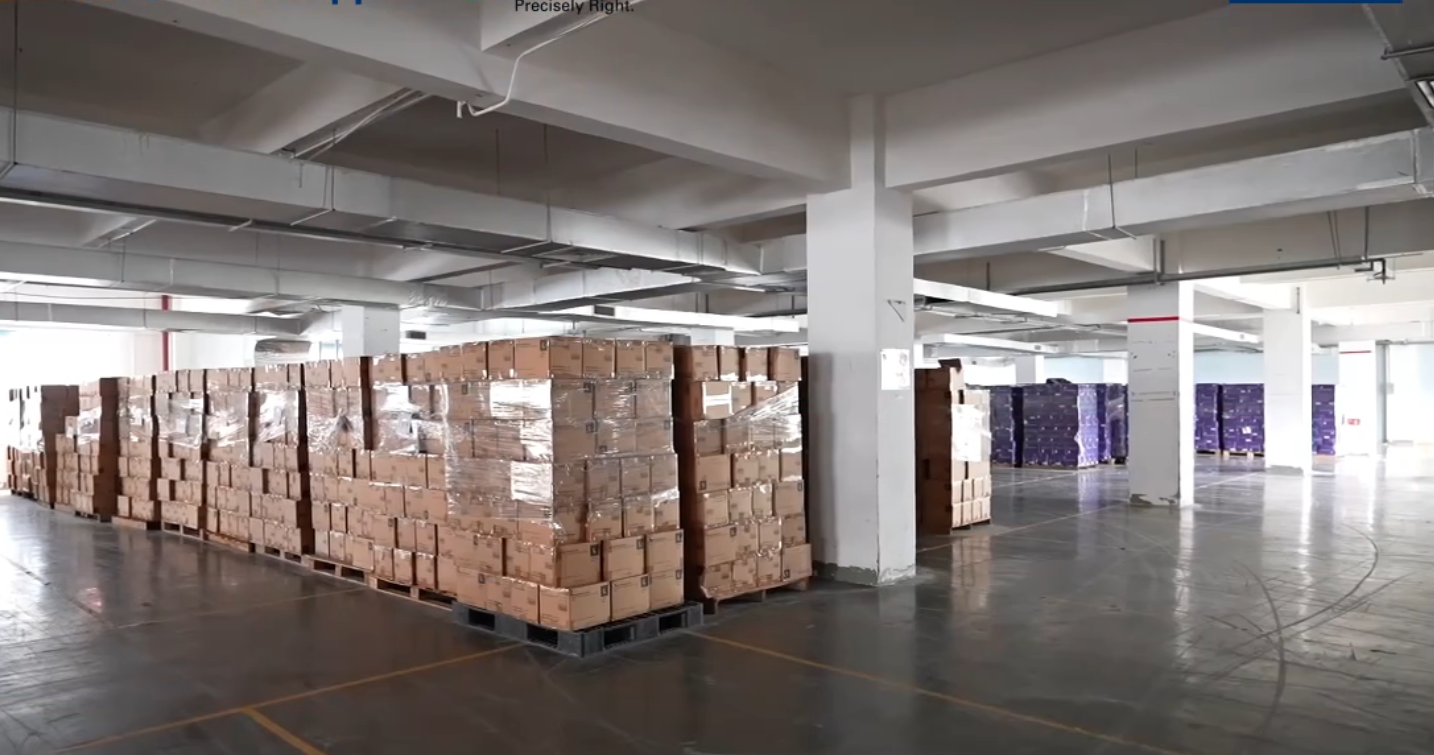
ANBOSON, legally Huizhou Anboson Technology Co., Ltd., operates a 42,000-square-meter facility and reports annual capacity exceeding 3.2 billion gloves. The company's quality controls include AQL 1.5 inspection, third-party QC, and on-site material and finished-product inspection. Those capabilities matter because certification is stronger when it is backed by routine production control. The final approval, however, should always be based on the current certificate pack for the exact model, packaging format, and destination market.
Next step: request the current certificate pack and a sample for the specific nitrile glove line you are evaluating. ANBOSON can be reached through szanboson.com or by email at merchandiser@szanboson.com. Include the application, destination market, packaging format, and estimated order volume so the certificate and quotation review can be matched to the exact SKU.
Have Questions or Need More Details?
Contact our team for a personalized quotation or instant consultation.
Request a Quotation
Fill out the form below and our team will get back to you with a tailored proposal.
WhatsApp Direct Chat
Prefer to chat in real-time? Message us on WhatsApp for instant assistance & quick answers.
- Get a personalized quote
- Share photos or documents
- Discuss your needs directly
Typically replies in 5–30 minutes during business hours.