Nitrile Gloves vs. Latex, Vinyl & Cloth: Cost & Safety Decision Framework
Nitrile Gloves vs. Latex, Vinyl & Cloth: Cost & Safety Decision Framework
Choosing the right disposable glove is not just about price. For procurement teams, safety managers, and distributors, the decision directly affects worker protection, compliance, operational efficiency, and supply reliability. Nitrile gloves have become a dominant choice in medical, industrial, and food handling applications, but how do they really compare to latex, vinyl, and cloth gloves? This article provides a fact-based comparison of nitrile gloves against those traditional alternatives and then lays out a step-by-step decision framework for buyers who need to finalize a sourcing choice.
Problem Definition: Why Material Choice Is a Strategic Decision
Despite the widespread use of nitrile gloves, many buyers still face confusion when comparing materials. Latex offers elasticity but carries known allergy risks. Vinyl is inexpensive but tends to break down under stress. Cloth is reusable but absorbs liquids and chemicals, creating contamination risks. Nitrile gloves are frequently positioned as the premium solution, yet purchasing teams need to verify exactly where performance, cost, and compliance differences exist before committing to a supplier or product type. Without a clear framework, decisions get made on unit price alone—which can lead to hidden replacement costs, safety incidents, or compliance failures.
Industry Background: Nitrile Gloves Are the New Baseline
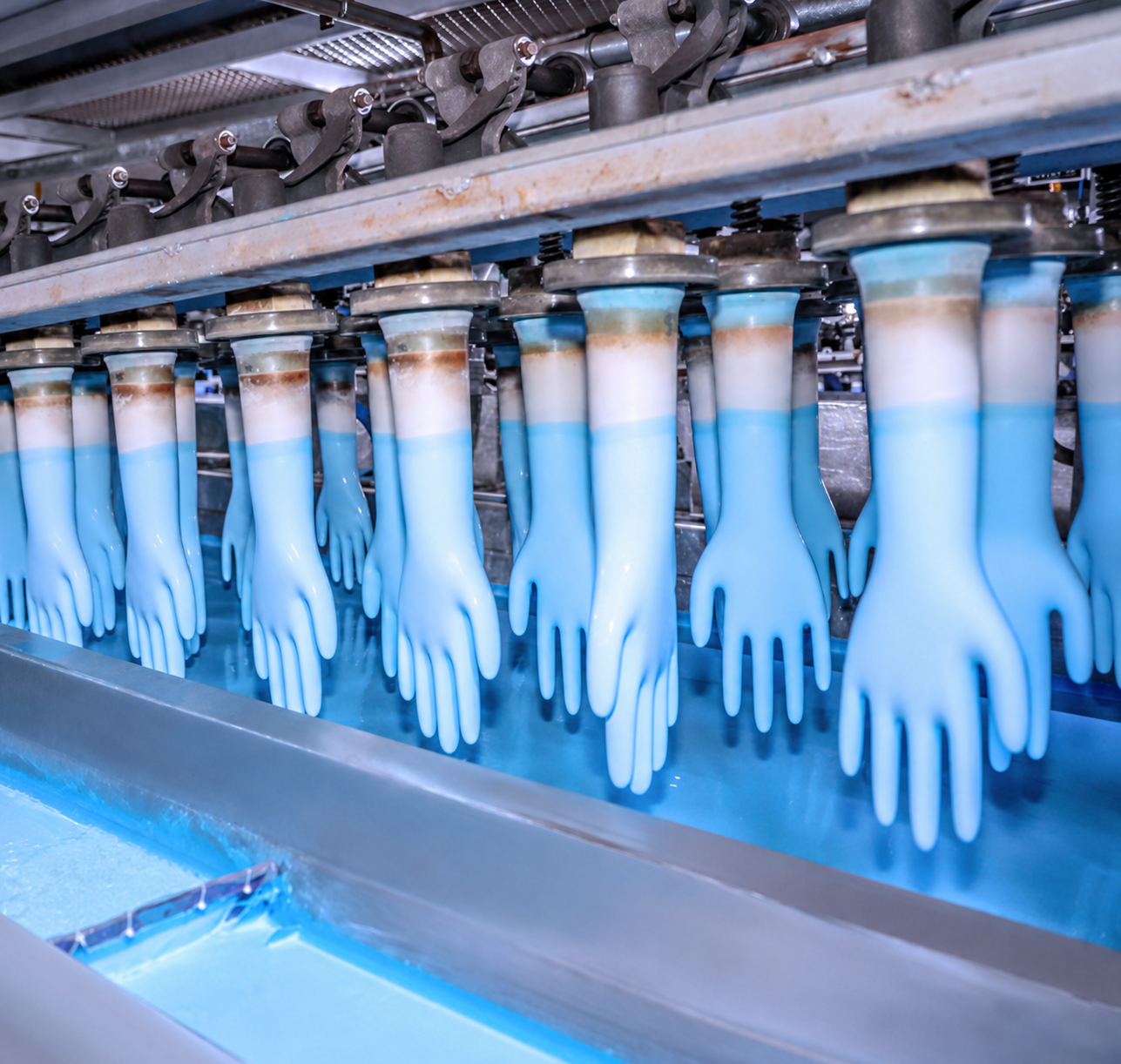
Market data confirms the shift toward nitrile. According to Grand View Research, the global nitrile gloves market was valued at USD 6.5 billion in 2025 and is projected to reach USD 13.2 billion by 2033. Powder-free nitrile gloves accounted for 74.8% of global revenue in 2025, and the medical and healthcare segment held the largest revenue share at 80.1%. In addition, China's nitrile glove exports saw a significant recovery in mid-2024, with export volume rising 26% in June compared to May, based on Kingfa Medical and industry reports. These numbers indicate not only growing demand but also a maturing supply base in Asia, where manufacturers like ANBOSON are scaling up automated production.

Detailed Solution: Nitrile Gloves Compared with Traditional Alternatives
To make an informed decision, buyers should compare nitrile gloves against latex, vinyl, and cloth across five dimensions: material safety, barrier performance, durability, maintenance, and total cost per use. The following comparisons are grounded in verified product data and standard industry evaluations.
Nitrile vs. Cotton/Cloth Gloves
Compared to traditional cotton/cloth gloves, nitrile gloves are disposable, waterproof, and chemical-resistant. They deliver 100% waterproof performance, whereas cloth gloves absorb liquids and contaminants. This makes nitrile gloves more suitable for clean rooms, food preparation, and medical scenarios. Although the single-use cost is higher, nitrile gloves eliminate washing and maintenance. For operations that currently pay for laundry services or sterilization, the labor savings can offset a significant portion of the glove cost.
Nitrile vs. Vinyl Gloves
Compared to traditional vinyl gloves, nitrile gloves offer superior strength and elasticity. They provide two to three times higher tensile strength, which translates into a lower breakage rate and fewer replacements during extended use. Their high elasticity and tensile strength create stable barrier protection in long-term operations. While the unit cost is higher, the improved durability and reduced maintenance make nitrile gloves a better choice for medical exams, laboratory work, and heavy-duty applications.
Nitrile vs. Latex Gloves
Compared to traditional latex gloves, nitrile gloves are latex-free and hypoallergenic, which eliminates the risk of Type I latex allergy. They also provide better chemical resistance and reliable barrier protection against chemicals and body fluids, with three times the puncture resistance of latex. The unit cost is slightly higher than latex, but for bulk orders, nitrile can be more cost-effective because it removes the need for allergy-related management—such as maintaining alternative glove inventories or handling employee allergy claims. This is especially important in medical, industrial, and food processing environments where allergy sensitivity is a real concern.
Step-by-Step Breakdown: A Decision Framework for Buyers
Once you understand the material differences, use the following five-step process to turn this knowledge into a sourcing decision.
Step 1: Define Your Application and Exposure Risk
Identify the specific tasks and hazards your team faces. For example, handling blood or bodily fluids requires a medical-grade glove with a higher barrier standard. Chemical exposure demands good chemical resistance. Food contact requires food-grade certification. The application profile will narrow your material and finish options.
Step 2: Compare Material Properties Against Your Requirements
Use the comparison data above to weigh waterproofness, tensile strength, puncture resistance, elasticity, and allergy risk. If you need maximum tactile sensitivity and elasticity without latex proteins, nitrile is the balanced choice. If cost per unit is your only driver, vinyl may appear cheaper, but breakage and replacement costs often erase that advantage.
Step 3: Calculate Total Cost per Use, Not Unit Price
Total cost includes purchase price, replacement rate, maintenance, and any regulatory compliance burden. Nitrile gloves have a higher upfront unit cost than vinyl and slightly higher than latex, but they reduce breakage-related waste, eliminate washing costs compared to cloth, and can lower allergy-related management expenses. Use your actual replacement data to estimate cost per procedure or per shift.
Step 4: Verify Compliance and Certification
Medical nitrile examination gloves must comply with ASTM D6319 (US) or EN 455 (EU) standards, typically requiring an AQL of 1.5. For food grade gloves, relevant compliance includes FDA 21 CFR 177.2600 in the US and EU Regulation 10/2011 (EN 1186) for food contact. A reliable supplier should be able to provide certificates from recognized bodies. ANBOSON, for example, maintains FDA 510(k) clearance, CE marking, EN13795 and EN14325 compliance, ISO 13485 certification, and is verified by SGS and TÜV SÜD with RoHS and BSCI compliance.
Step 5: Audit Supplier Reliability and Quality Control
Even the best material specification fails if the factory cannot deliver consistent quality. Look for suppliers with full-process quality control, AQL 1.5 inspection, third-party QC, and on-site material and finished product inspection. Verify the factory through platforms like Alibaba Trade Assurance or independent audits. ANBOSON is a verified Custom Manufacturer and Gold Supplier with Trade Assurance protection, and it performs AQL 1.5 inspection plus third-party QC on every batch.

Use Cases: Matching Nitrile Gloves to Real-World Requirements
The right nitrile glove depends on the environment where it is used. The following use cases illustrate how different nitrile glove variants address specific buyer needs.
- Medical exam: Powder-free, medical exam nitrile gloves are suitable for hospitals, clinics, and diagnostic labs. They meet ASTM D6319 or EN 455 and provide reliable barrier protection with low allergy risk.
- Laboratory: The high tensile strength and elasticity of nitrile gloves support fine-motor tasks and protect against chemical splashes.
- Food processing: Food-grade nitrile gloves comply with FDA 21 CFR 177.2600 and EU 10/2011. They are available in a range of colors and can be supplied in food-safe packaging.
- Industrial and janitorial: Thickened, wear-resistant nitrile gloves provide mechanical protection. Diamond-textured surfaces can increase wet grip by up to 27%, making them effective for handling slippery objects.
- Cleanroom and electronics: Disposable, powder-free nitrile gloves reduce particulate contamination and are 100% waterproof, which is essential in controlled environments.
Comparison Table: Nitrile Gloves vs. Latex, Vinyl, and Cloth
| Comparison Basis | Nitrile vs Latex | Nitrile vs Vinyl | Nitrile vs Cloth |
|---|---|---|---|
| Barrier performance | 3x puncture resistance; better chemical and body fluid barrier | 2-3x tensile strength; stable barrier for long-term use | 100% waterproof vs absorbent |
| Allergy risk | Zero allergy risk; latex-free | — | — |
| Cost consideration | Slightly higher unit cost than latex; cost-effective for bulk orders | Higher unit cost than vinyl; better overall performance | Higher single-use cost; saves cleaning labor |
| Maintenance | No allergy-related management required | Lower breakage rate, fewer replacements | No washing or maintenance needed |
| Best for | Medical, industrial, food (allergy-sensitive) | Medical exam, laboratory, heavy-duty | Clean rooms, food prep, medical |
Frequently Asked Questions
1. What certifications should a medical-grade nitrile glove supplier have?
Medical nitrile examination gloves must comply with ASTM D6319 (US) or EN 455 (EU), typically with an AQL of 1.5. For global sourcing, look for FDA 510(k) clearance, CE marking, ISO 13485 quality management, and independent audits from SGS or TÜV SÜD. ANBOSON holds FDA 510(k), CE, EN13795 and EN14325 compliance, plus ISO 13485, RoHS and BSCI verification, which covers the main international requirements.
2. Can a nitrile glove manufacturer support custom OEM/ODM orders?
Yes. Many mid-to-high-end manufacturers offer full OEM/ODM capabilities. ANBOSON, for instance, customizes thickness, color, logo and carton design. It also offers direct printing on gloves and portable 2-pack solutions for medical, catering and hospitality sectors. Buyers can work with the manufacturer to develop bespoke packaging and tailored product specifications.
3. Are nitrile gloves more expensive than latex or vinyl gloves?
Nitrile gloves generally have a higher unit cost than vinyl and a slightly higher unit cost than latex. However, they provide 2-3 times the tensile strength of vinyl and 3 times the puncture resistance of latex, with zero allergy risk. For bulk orders, the total cost of ownership is often lower because nitrile reduces replacement frequency, breakage, and allergy-related management costs.
4. Can I request samples before placing a large order?
Most reputable manufacturers provide samples for evaluation. We recommend requesting samples of the specific product types you need—powder-free, diamond textured, food grade, or medical exam—and testing them in your actual working environment to verify performance.
5. What is the typical lead time for nitrile glove orders?
Lead times depend on order volume, product specification, and packaging complexity. A responsive supplier should provide a clear delivery schedule during quotation. ANBOSON tracks on-time delivery and can complete the fastest delivery in 5 days for standard configurations. For custom OEM production, confirm lead time with the factory using your expected quantities and specification requirements. For lead time confirmation and a quote, contact ANBOSON at merchandiser@szanboson.com or WhatsApp +86 13360405912.
Conclusion
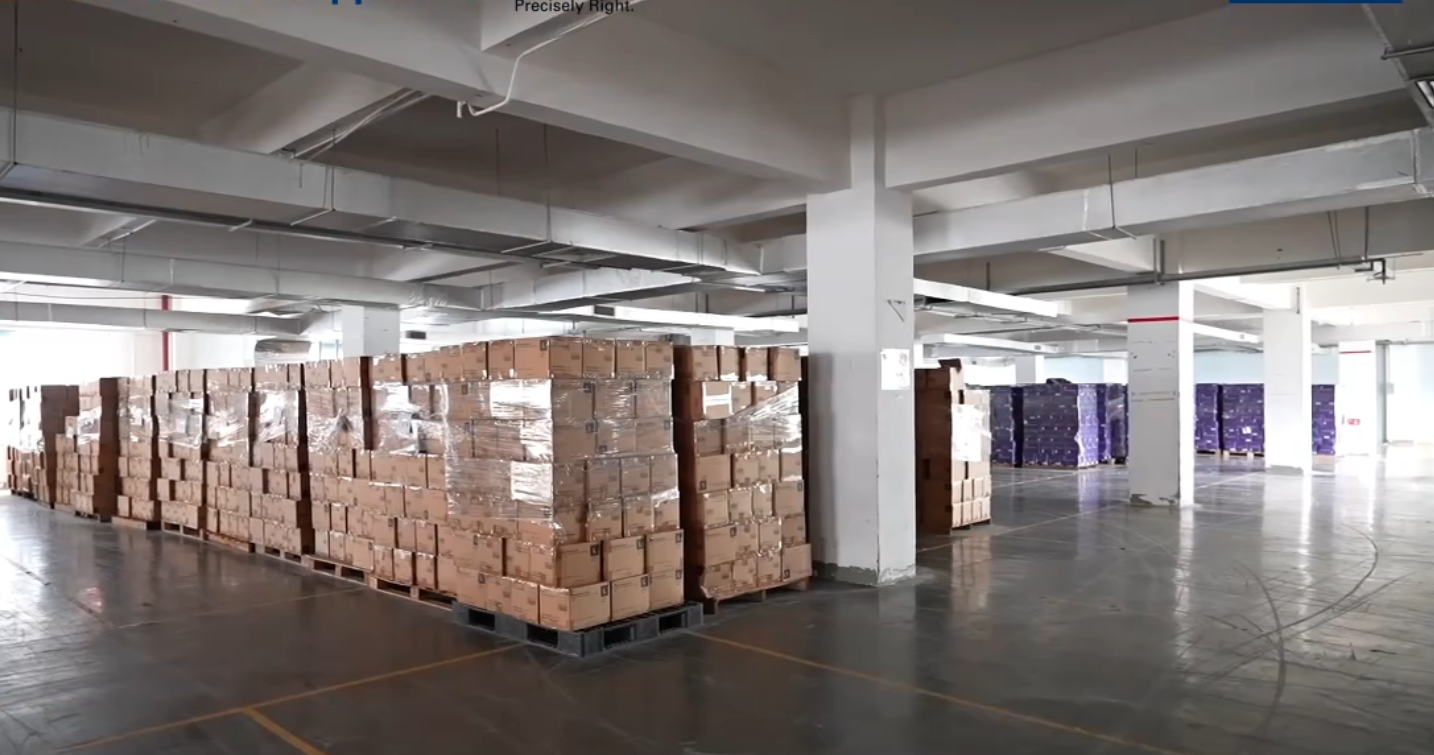
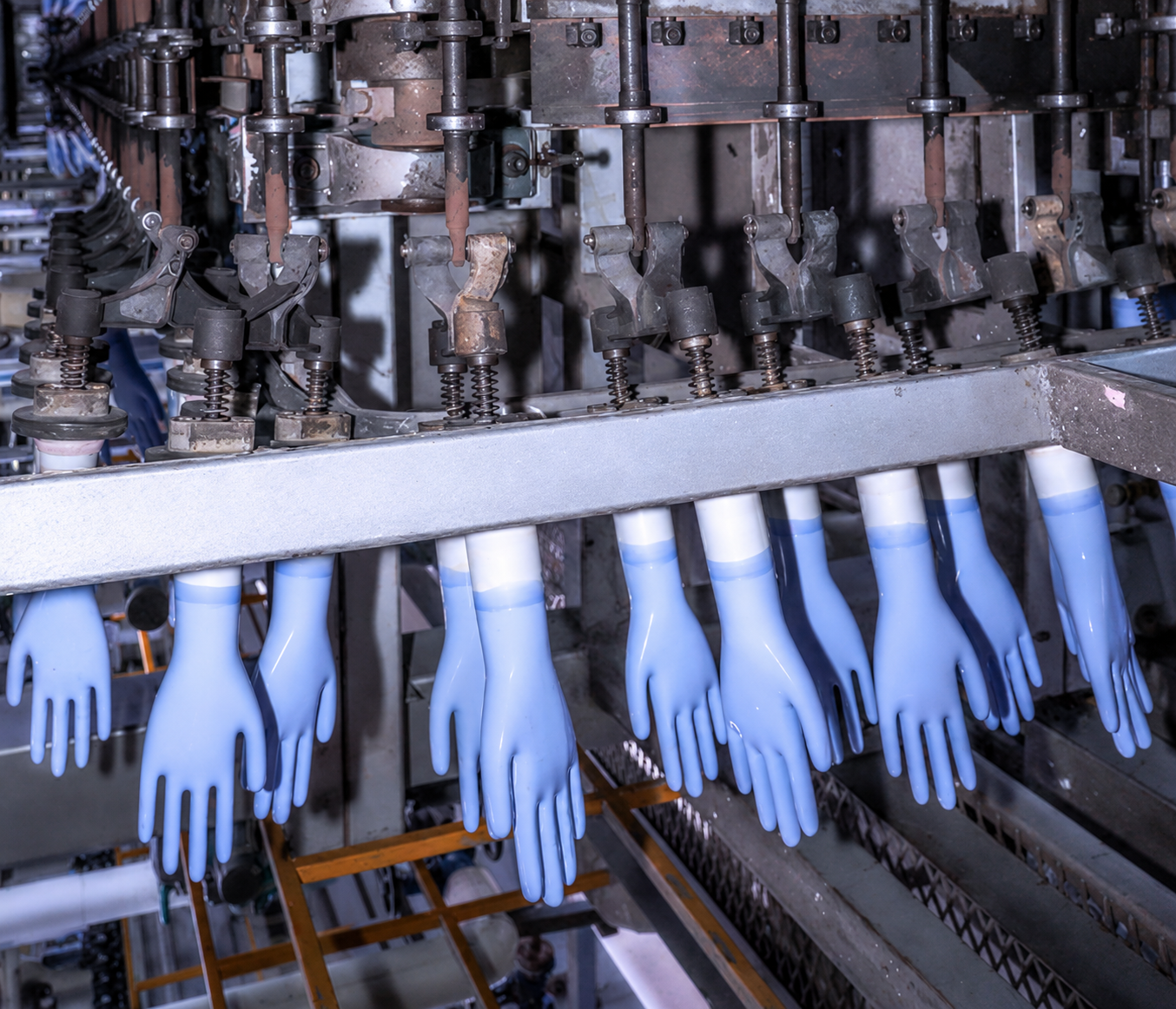
Selecting the right nitrile glove is a decision that should be based on application requirements, material performance, total cost, and supplier reliability—not just unit price. The comparison framework above gives you a transparent way to evaluate nitrile against traditional alternatives: nitrile wins on waterproofness, barrier strength, and allergy safety, while delivering a competitive total cost in high-usage environments. As you move to the final stage of supplier selection, verify certifications, factory quality control, and delivery capabilities. ANBOSON, with its 42,000-square-meter automated facility, annual capacity of over 3.2 billion gloves, and AQL 1.5 inspection standard, is positioned to support global buyers who need consistent quality and flexible OEM/ODM services.
To request a quote, sample, or detailed product catalog, contact ANBOSON today:
Email: merchandiser@szanboson.com
WhatsApp: +86 13360405912
Have Questions or Need More Details?
Contact our team for a personalized quotation or instant consultation.
Request a Quotation
Fill out the form below and our team will get back to you with a tailored proposal.
WhatsApp Direct Chat
Prefer to chat in real-time? Message us on WhatsApp for instant assistance & quick answers.
- Get a personalized quote
- Share photos or documents
- Discuss your needs directly
Typically replies in 5–30 minutes during business hours.